



kontinuierliche walzwerke
Laminazione tondini, or rod rolling, is a pivotal process in the steel industry, and understanding its nuances can significantly impact quality, cost-efficiency, and overall market competitiveness. Over the years, substantial advancements have been made in the field of laminazione tondini, driven by technological innovations and the evolving demands of construction, automotive, and manufacturing sectors. One of the most critical aspects of laminazione tondini is mastering the art of transforming raw steel into high-precision rods that meet stringent international standards. This involves a meticulously orchestrated process where steel billets are heated and passed through successive pairs of rolls to achieve the desired cross-sectional dimensions. The capacity to conduct this process efficiently requires sophisticated machinery and a profound understanding of metallurgical principles. In exploring the real-life experience of operators and engineers involved in laminazione tondini, one finds that the process begins with selecting the right quality of steel. The characteristics of the raw material—such as its carbon content, ductility, and tensile strength—are paramount in determining the final product's suitability for various applications. Experience has shown that deviations in material quality can lead to significant setbacks, including material wastage and equipment damage. Therefore, precise initial assessment is non-negotiable. Professionalism in rod rolling necessitates a rigorous approach to process control. This involves real-time monitoring of temperature, pressure, and rolling speed to ensure consistency across batches. Advanced sensors and automation technologies play an indispensable role in mitigating human errors and enhancing efficiency. It is within this technologically driven framework that the expertise of trained personnel is indispensable . Skilled operators must calibrate machinery, conduct quality checks, and interpret data correctly to ensure that the rods produced meet the exacting tolerances expected in high-stakes industries. laminazione tondini Authoritativeness in laminazione tondini is grounded in adherence to international standards such as ISO and ASTM, which serve as benchmarks for quality and safety. Companies actively involved in rod rolling are tasked with ensuring that their processes comply with these standards, and they must be prepared for regular audits and quality inspections by regulatory bodies. Successful compliance not only reassures clients but also strengthens a company's position as a trusted supplier in the global market. Trust in the laminazione tondini process is further enhanced by sustainable practices. Modern rolling mills embrace environmentally responsible methods, such as recycling scrap material, reducing energy consumption, and employing green technologies. Engaging in these practices is not only beneficial for the environment but also appeals to a growing segment of consumers who prioritize sustainability in their purchasing decisions. As part of building trust, transparency about these practices through regular reporting and certification is crucial. The future of laminazione tondini is bright, with ongoing research aimed at optimizing processes through artificial intelligence and machine learning. These technologies promise to revolutionize the industry by predicting outcomes, identifying areas for improvement, and significantly reducing manual intervention. Professionals in the field must stay abreast of these developments to maintain competitive advantage and continue delivering products that meet evolving market demands. In conclusion, success in laminazione tondini relies on a blend of experience, expertise, authority, and trust. Companies and professionals who excel in these areas are well-positioned to thrive in an industry that is both challenging and rewarding. As technological advancements continue to reshape the landscape, those willing to adapt and innovate will undoubtedly lead the charge in setting new benchmarks for quality and efficiency in rod rolling.

We have successfully executed over 500
projects around the world,
many first-of-their-kind
research projects and products in China, including
We have successfully executed over 500
projects around the world,
many first-of-their-kind
research projects and products in China, including
-
2004
The 1st hydraulic AGC system for hot rolling of ribbon steel
-
2006
The 1st AFC system used for 1450mm skin pass mill
-
2009
The 1st 5-stand tandem line with 2-stand POR & Uncoiler for 650mm ribbon steel
-
2012
The 1st reversing mill for 1380mm strip
-
2016
The 1st soft-rolling system used in skin pass mill
-
2019
The 1st fully automated medium-width tandem cold rolling mill
-
2021
The 1st 5000KN Twin-stand double skin pass mill
-
2022
The 1st coupled pickling line & tandem cold mill with two modes - big roller & small roller
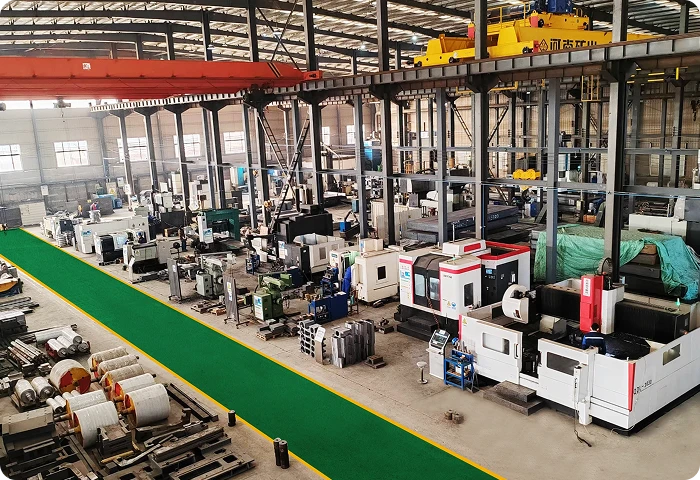
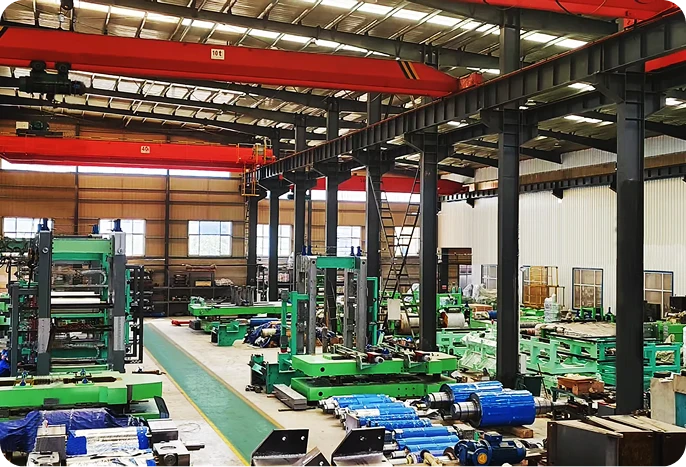
Yang Wang Li Xin operates a state-of-the-art facility over 66,000 square meters,and our manufacturing facility is fully equipped with high-tech machinery and high-capacity cranes. This enables us to handle large work pieces measuring 4.5m in width, 10m in length, and 1.5m in height, guaranteeing our capacity to produce 1800mm skin-pass mills and 1450mm rolling mills. The individual piece can weigh up to 100 tons.


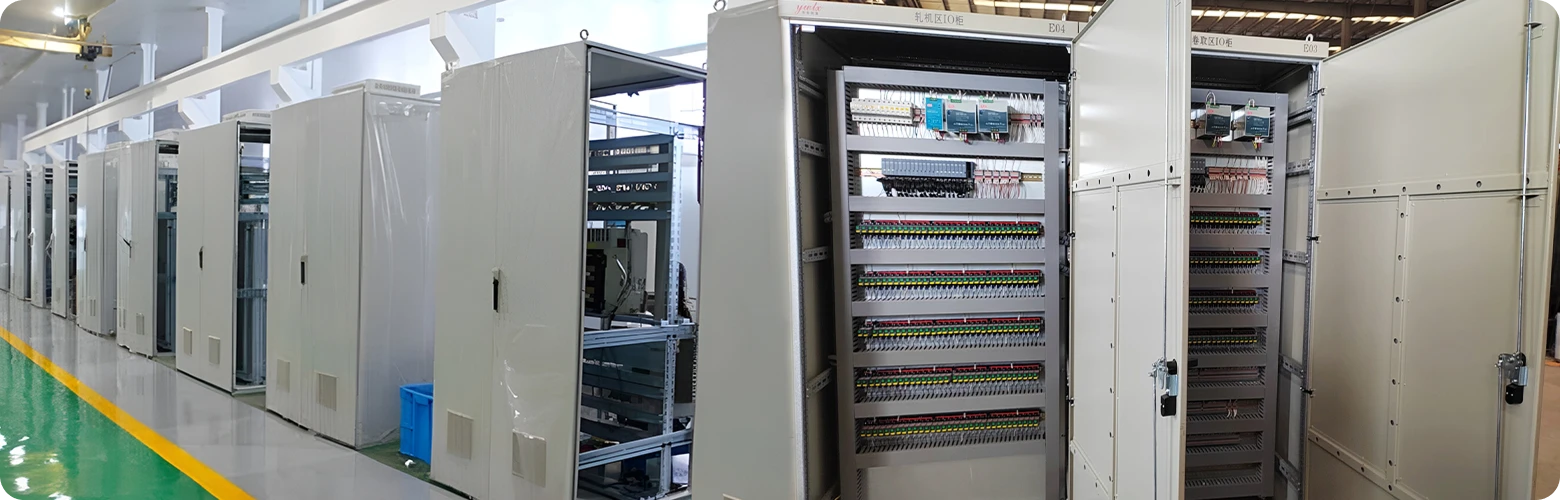
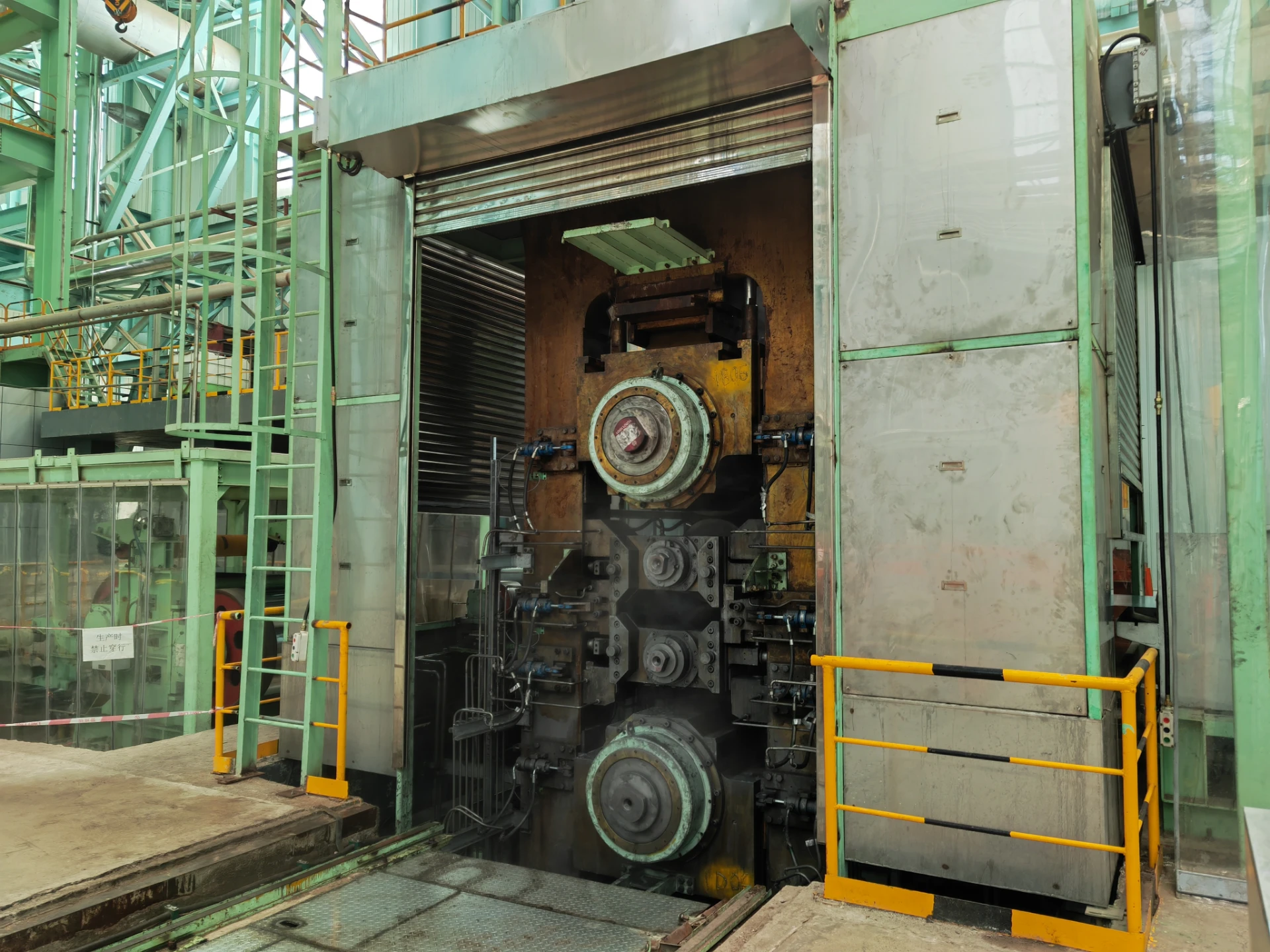
Quality is fundamental to the enterprise survival. We have established a comprehensive and meticulous quality management system and have successfully obtained ISO14000 certification. Starting from the design source, it supervises the entire production cycle, including design, procurement, processing, assembly, in-factory testing, installation, and online commissioning. The workshop is equipped with measuring tools like vernier calipers, spectrometers, hardness testers, and ultrasonic flaw detectors. They are used to check materials and control tolerances to ensure the final equipment meets or exceeds requirements. All products have a unique code, This enables the easy identification and traceability of the equipment components and ensures full control of quality.


-
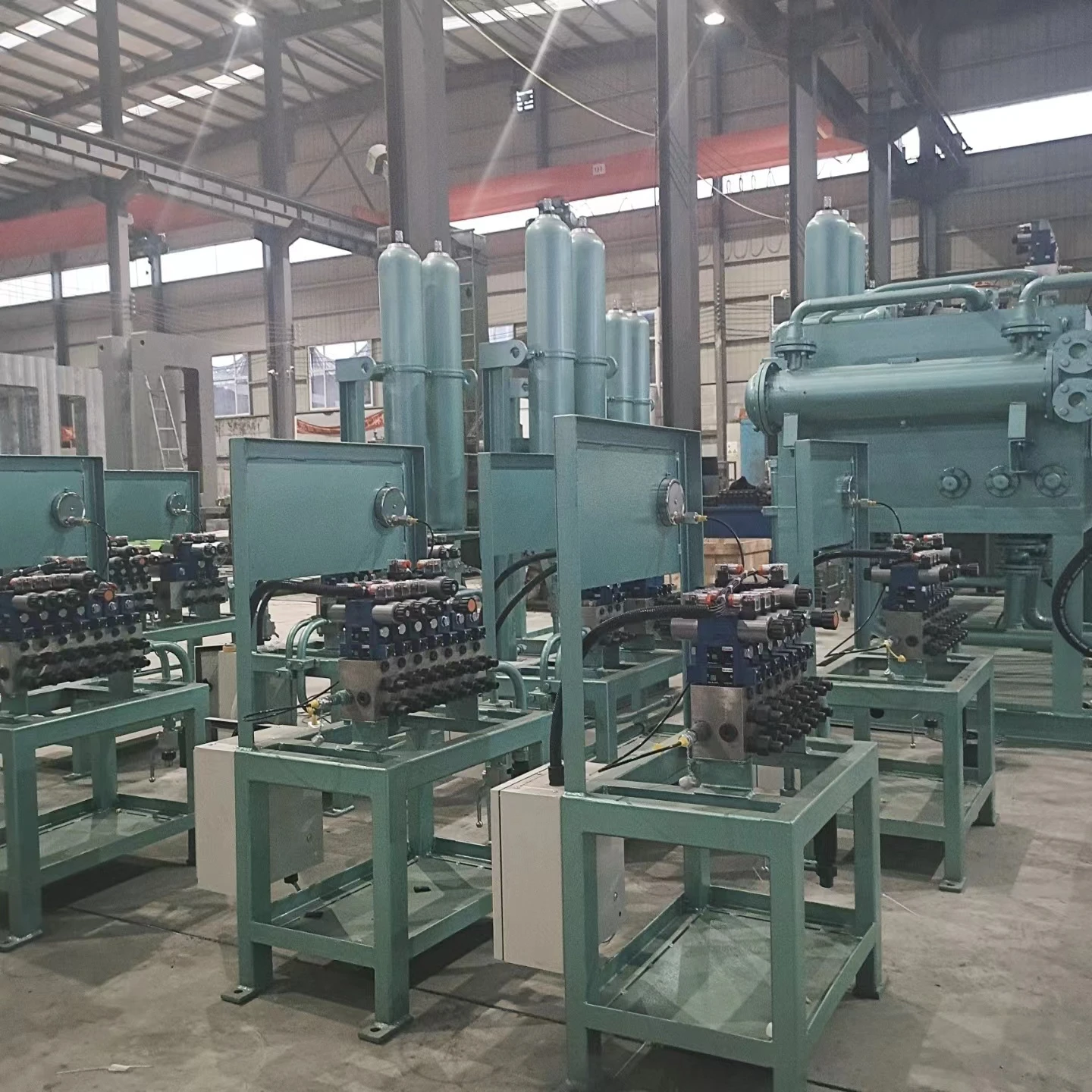 Automated Packaging Machine – High-Speed, Smart, ReliableAutomated Packaging Machine is a key solution in the manufacturing industry, specifically within Special Equipment Manufacturing Industry and Manufacturing of metallurgical specialized equipment. This article explores how Beijing Yang Wang Li Xin Sci&Tech Co.,Ltd. supports professionals with durable, high-performance products, and explains why this product is an ideal choice for businesses in thes
 -
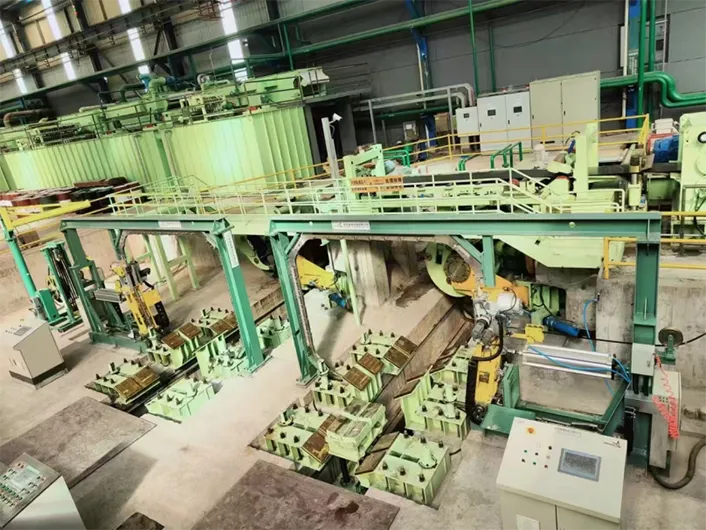 Precision Automatic Gauge Control Cold Rolling Mill Systemsautomatic gauge control cold rolling mill, automatic gauge control in strip rolling, hydraulic automatic gauge control is a key solution in the manufacturing industry, specifically within Manufacturing of industrial automation equipment and Manufacturing of automation control systems for metallurgical industry. This article explores how Beijing Yang Wang Li Xin Sci&Tech Co.,Ltd. supports professi
 -
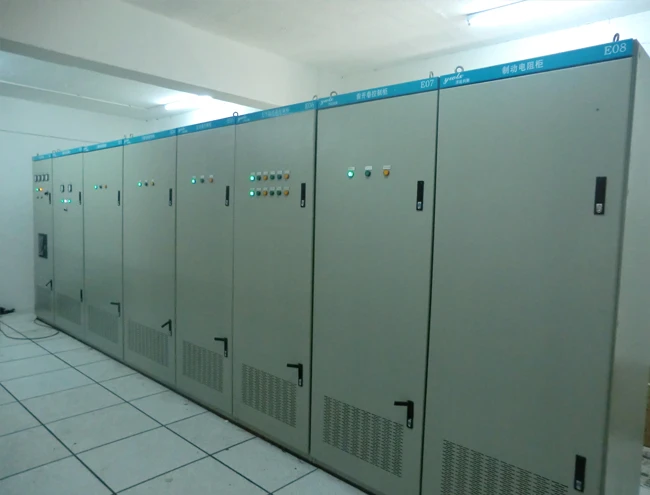 прокатный стан на сталелитейном заводеIn the dynamic landscape of the steel industry, a rolling mill at a steel manufacturing plant stands as a pillar of precision engineering and expert craftsmanship. This pivotal equipment transforms molten steel into essential products used across numerous industries, reflecting not only the plant's capability but also its operational prowess. Rolling mills are the heart and soul of steel productio


